 Home
Home App Features
 About
About Contact Us
 Legal Compliance
 Food Safety
 News
News Certifications
 Start Up Food
 Business-Type-What am I into ?
 How to Become
 Resource



Welcome
Register with Food safety regulatory compliance


How to determine the shelf life of a ready-to-eat-food?
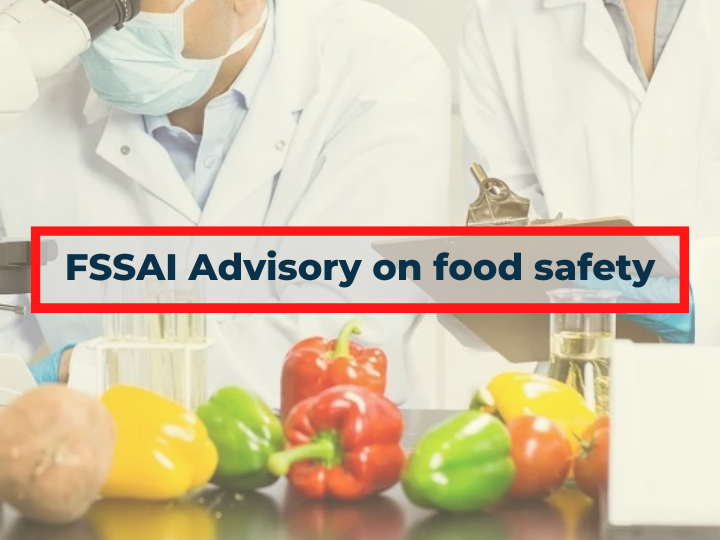
The provided sources outline critical safety directives issued by the Food Safety and Standards Authority of India (FSSAI) in June 2026. These advisories focus on preventing food contamination through the proper use of cutting equipment and the elimination of hazardous packaging materials.
Food Business Operators (FBOs) are required to follow strict hygienic and sanitary requirements regarding the tools used in food handling, preparation, and processing. Key points include:
FSSAI has issued an immediate directive to stop using metallic/staple pins and wires in food products and their packaging.
The FSSAI emphasizes that these directives are mandatory under the Food Safety and Standards Act, 2006.
The provided sources do not list the specific monetary fines or terms of imprisonment for non-compliance. Instead, they state that any violations will trigger penal and legal actions as prescribed under the Food Safety and Standards Act, 2006, and its associated regulations.
Specifically, the sources note:
Information regarding specific penalty amounts (such as the exact cost of fines or the length of potential jail sentences) is contained within the Food Safety and Standards Act, 2006 itself, rather than these specific advisory notices.
According to the sources, food-grade material for cutting equipment (such as knives and blades) is defined by its functional and safety properties rather than a specific list of chemical compositions.
To be considered compliant for use in food handling, preparation, and processing, the material must meet the following criteria:
The sources explicitly state that equipment that is painted, rusted, corroded, or chipped is considered “unsuitable” and does not meet these standards. These requirements are mandated under Schedule 4 of the Food Safety and Standards (Licensing and Registration of Food Businesses) Regulations, 2011.
For more information, please Chat with us Ask The Expert.
FSSAI Advisory on Food-Grade Cutting Equipment Standards
FSSAI Advisory - Prohibiting Metallic Pins in Food Packaging



Create an account to follow your favorite communities and start taking part in conversations.
Create FSS Account
Login with your credentials and know more about Food safety regulatory compliance
Please enter your registered email address with Food Safety Standard
 Continue with Google
No comments